Everything you need to know before you go — Inner Line Permits, fitness, acclimatisation, route stages, and what to expect at Jolingkong.
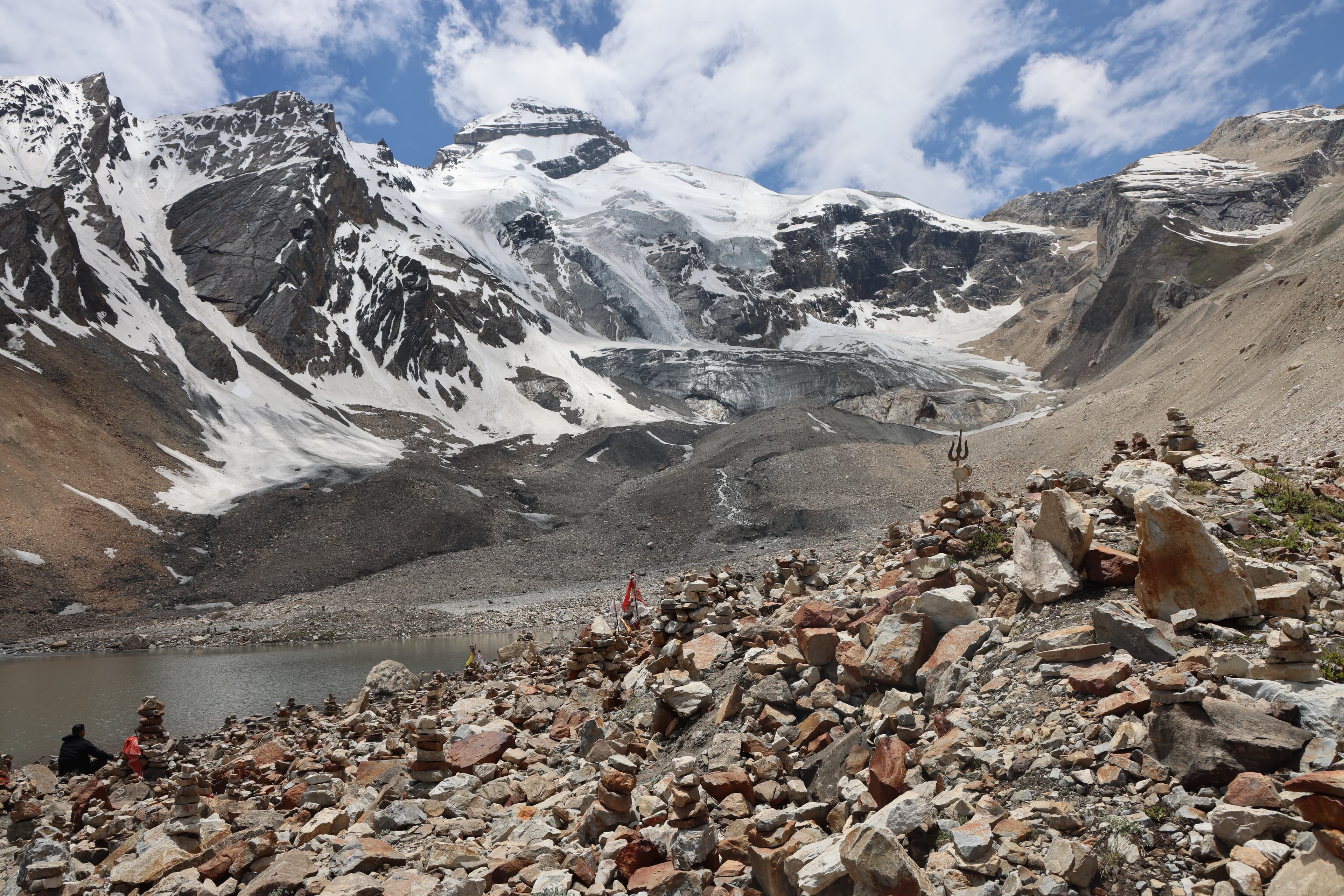
The Adi Kailash Yatra is one of India's most sacred and least-known Himalayan pilgrimages. Known as Chhota Kailash, this 6,310 m peak in Pithoragarh district mirrors the form of Mount Kailash in Tibet — with its own Parvati Kund glacial lake and a spiritual atmosphere that pilgrims describe as transformative. This guide covers everything the first-time yatri needs to know.
What to Expect on the Yatra
The classic 9-day route begins at Kathgodam and drives through Almora, Pithoragarh, and Dharchula before entering the Inner Line Permit zone. You'll pass through the Shauka trading village of Gunji and climb to Jolingkong (3,600 m), where the Adi Kailash peak dominates the skyline and the Parvati Kund lake sits in glacial silence. Two days at altitude are built into the itinerary for acclimatisation and darshan.
Fitness & Preparation
This is a moderate-grade yatra suitable for devotees and trekkers alike. You don't need to be an athlete, but you do need to be consistently active. Begin training 8 weeks before your departure. Cardiovascular fitness is more important than muscle strength at altitude.
- 3–4 long walks (8–12 km) per week for the 6 weeks before departure
- Include uphill sections on at least 2 of those walks
- Practice walking with a loaded daypack (5–7 kg)
- Consult your doctor about altitude medication (Acetazolamide / Diamox)
- Acclimatise in Pithoragarh (1,814 m) for a night before entering the Inner Line zone
The Golden Rules of Acclimatisation
- Never ascend more than 300–500 m per day above 3,000 m
- "Climb high, sleep low" — day hikes to higher altitude, sleep lower
- Drink 3–4 litres of water daily at altitude
- Alcohol and sedatives inhibit your body's acclimatisation response — avoid both
- If you develop AMS symptoms (headache, nausea, dizziness), do not ascend. Descend if they worsen.
Our veteran-designed acclimatisation schedule is built on the same principles the Army uses for high-altitude warfare operations in this very region. Every Himalvara itinerary has built-in contingency days — because in the mountains, as in the field, conditions change and plans must adapt.
Permits You Need
- Inner Line Permit (ILP) — required for all non-residents of Uttarakhand; obtained in Pithoragarh or Dharchula
- Protected Area Permit — for the restricted border zone near Gunji and Jolingkong
- Both permits are arranged and included in all Himalvara Adi Kailash packages
What to Pack
- Down jacket (rated to -10°C minimum)
- Waterproof shell jacket and trousers
- Thermal base layers (2 sets)
- Trekking boots — broken in, not new
- Trekking poles — recommended above 3,500 m
- Sleeping bag (-5°C comfort rating)
- Headtorch with spare batteries
- Sun protection: SPF 50+, UV-blocking sunglasses, lip balm
- First-aid kit including altitude medication
The single most common mistake first-timers make is overpacking. You carry only your daypack on the trail — your main bag travels by vehicle or mule. If you wouldn't carry it yourself for 6 hours uphill, question whether you need it.
Vijay Singh Bisht
Vijay Singh Bisht has personally led over 200 Adi Kailash and Om Parvat yatras in the Pithoragarh inner Himalaya.